Bengaluru Travel Guide for Culture Loving Visitors

Bangalore, officially Bengaluru, is often spoken about as India’s tech capital, but that description misses the quieter charm of the city. For a culture-loving traveller, Bengaluru works slowly. It is not a place that reveals itself only through one famous monument or one neat sightseeing loop. Its character sits in old markets, red public buildings, palace corridors, tree-lined avenues, theatre foyers, filter coffee counters and bookshop corners.
Start with the old city’s textures
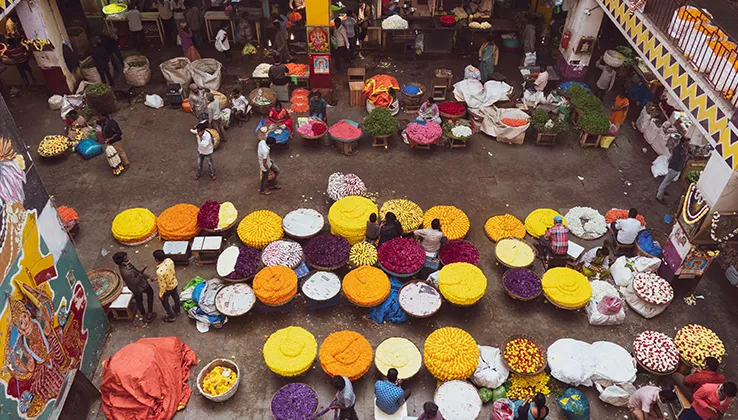
A good cultural day in Bengaluru can begin around KR Market. It is lively, crowded and not always gentle on first-time visitors, but that is exactly why it feels real. Flower sellers, vegetable carts, temple-goers and early morning buyers create a rhythm that is more memorable than a polished attraction. Go early if you like watching a city wake up.
From there, Tipu Sultan’s Summer Palace adds a very different pace. Its wooden pillars, arches and quiet courtyards carry the mood of an older Bengaluru, long before glass buildings became part of the skyline. It is not a huge site, so it pairs well with nearby lanes, temples and small local eateries.
Palaces, public buildings and civic grandeur
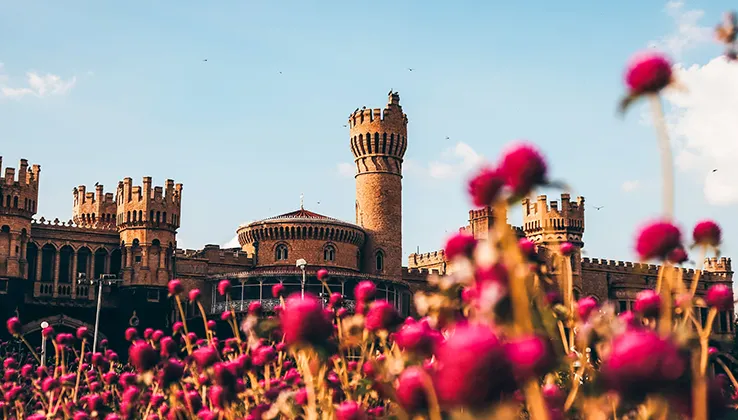
Bangalore Palace is usually on most culture itineraries, and with reason. Its turreted shape and royal interiors give visitors a glimpse of the city’s princely past. It can feel a little theatrical, but that is part of the appeal.
Vidhana Soudha is another visual anchor. Even if visitors see it only from the outside, the building has presence. Its scale, symmetry and granite form make it one of those places that quietly explains Bengaluru’s administrative importance. Nearby heritage structures and older public buildings add to the walk, especially for travellers who enjoy architecture more than rushed photo stops.
Gardens that feel cultural, not just pretty
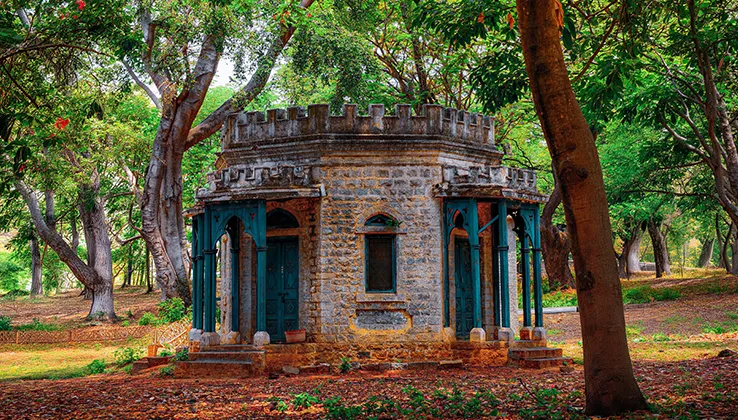
Lalbagh Botanical Garden is more than a green escape. It carries histories of horticulture, public leisure and the city’s older identity as the Garden City. The glasshouse, old trees and walking paths make it ideal for a slow morning.
Cubbon Park has a softer, literary feel. It sits close to museums, libraries and public buildings, so it works beautifully as part of a culture-focused day. One can walk, pause, read a signboard, notice a red colonial-era facade, and somehow lose track of time. Bengaluru does that quite often.
Food as a cultural route

A Bengaluru culture trip should leave space for breakfast. Dosa, idli, vada and filter coffee are not just meals here; they are part of the city’s daily grammar.
Darshini-style eateries are quick, affordable and wonderfully efficient. Later in the day, regional Karnataka meals, street snacks and modern cafés show how comfortably the city moves between old and new.
Bengaluru's cultural character reveals itself slowly, often between the city’s better-known sights. It appears in the quiet courtyards of old neighbourhoods, the details of historic buildings, the energy of local markets and the conversations unfolding over cups of filter coffee.
For culture-loving visitors, the city offers more than a checklist of attractions. It offers a glimpse into how tradition and modern life continue to shape one another. Leave a little room in the itinerary for unplanned walks, local performances and lingering meals, because those quieter moments often become the most memorable part of a Bangalore visit.