Best Food Spots in Gwalior for a Satisfying Food Trail
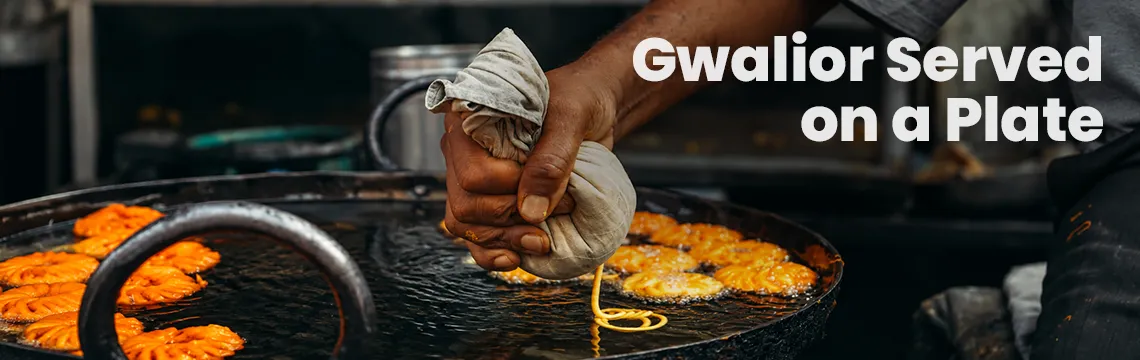
Gwalior is one of those cities where food does not try too hard to impress you. It is not glossy in the way some bigger city food scenes can be. Instead, it draws you in quietly, usually with the smell of hot poha in the morning, the crackle of kachori being lifted from oil, or the first bite of gajak that breaks in neat, sugary layers.
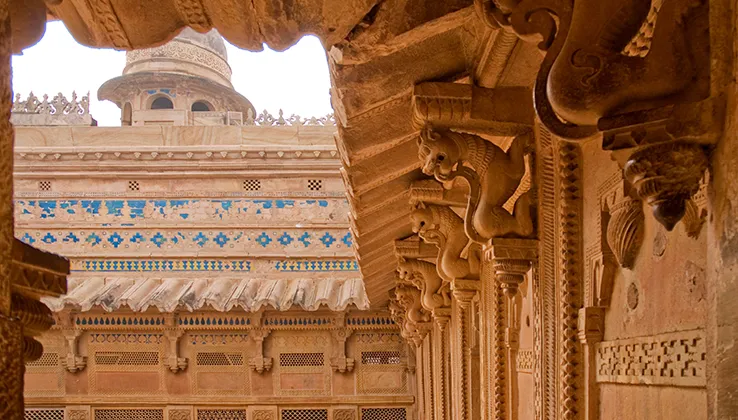
A trip here tends to begin with the fort, the palaces, the music heritage and the old bazaars. But somewhere between a walk through Maharaj Bada and a slow evening near the older market lanes, food becomes part of the itinerary without anyone needing to plan it too carefully.
For travellers looking at flight tickets, especially those comparing a Delhi to Gwalior flight or a Gwalior to Delhi flight, this is the kind of city that works beautifully for a short heritage and food break. Distances within the city are manageable, the best meals are often simple, and a good day can be built around breakfast, sightseeing, snacks and sweets without feeling rushed.
Why Gwalior is worth exploring through food
Gwalior’s food has the comfort of central India, with influences that feel local, hearty and practical. There is nothing delicate about the breakfast plates here. Poha comes bright with turmeric, softened enough to feel light, but topped with sev, coriander, lemon and sometimes a bit of onion for texture. Jalebi, usually served hot, brings in the sweet contrast that Madhya Pradesh does so well.
Then there are the heavier snacks. Kachori, samosa, bedai and aloo sabzi are not just fillers between meals. In Gwalior, they can become the meal, especially when eaten fresh in a crowded lane where everyone appears to know exactly what to order. Winters bring gajak into the picture, and that changes the rhythm of the city a little. Sweet shops start to feel more tempting, and taking a box home becomes almost unavoidable.
Gwalior is also a good city for travellers who like food mixed with walking. You can spend the morning around the fort, drift towards the old city by afternoon, and end the day around a market where dinner is not one fixed plan but a series of small decisions.
Start early with poha-jalebi around the old city
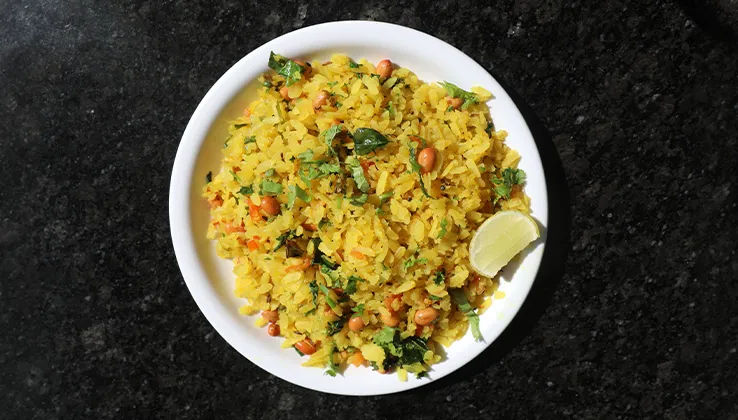
The best food days in Gwalior begin early. Not hotel-breakfast early, but street-breakfast early. Poha-jalebi is the easy first choice because it feels light enough for sightseeing and local enough to make the morning memorable.
Look around older market areas such as Lashkar, Maharaj Bada, Jayendraganj and nearby lanes where small breakfast counters usually draw a steady local crowd. The good signs are simple: fresh poha moving quickly, jalebi being fried in small batches, and people eating without lingering too long. The poha is usually gentle, lemony and savoury, while the jalebi adds that hot, syrupy note that makes the combination work better than it should on paper.
This is also a good time to plan the rest of the day. If you have landed after taking a Delhi to Gwalior flight, an easy breakfast before heading to Gwalior Fort can set the pace nicely. The city can get warm depending on the season, so mornings are useful for both food and sightseeing.
Try bedai, kachori and aloo sabzi when you want something more filling
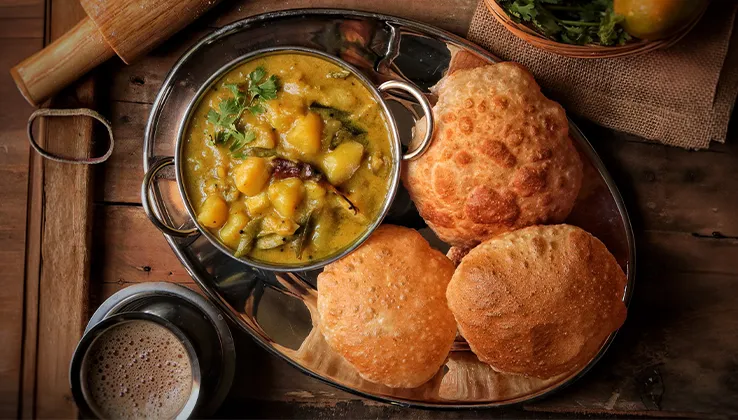
Bedai is one of those dishes that makes sense the moment it arrives. It is crisp, usually stuffed or flavoured with lentil-based spices, and served with a potato curry that has enough tang and heat to wake you up properly. Kachori works in a similar space, though it tends to be denser, flakier and more snack-like.
The old bazaar pockets are usually where this food feels most at home. Naya Bazaar, Lashkar and lanes close to traditional sweet and snack shops are worth exploring, especially during breakfast and early evening. These are not places where you need a complicated order. A plate of kachori with chutney, a samosa if it looks freshly fried, and tea on the side will do the job.
There is a small but useful rule for eating this kind of food while travelling: follow freshness, not fame. A busy counter with hot food moving quickly is often a better bet than a place that looks quiet but well-known. Gwalior’s fried snacks taste best within minutes, when the crust is still crisp and the filling is warm enough to carry the spices.
Keep room for gajak, especially in winter
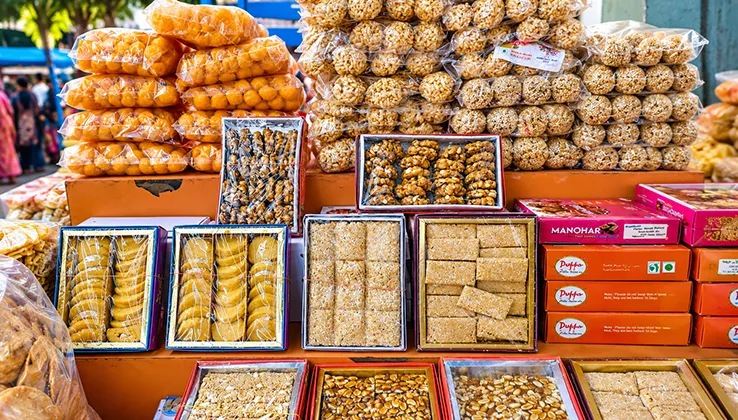
Gajak is probably the most famous sweet associated with Gwalior, and it deserves the attention. Made with sesame, jaggery or sugar, and often prepared in crisp, layered slabs, it has a texture that sits somewhere between brittle and flaky sweet. The best pieces break cleanly, then soften slightly as you eat them.
Winter is the most satisfying time to try it, though packaged versions are often available for travellers through much of the year. Classic sweet shops around Lashkar, Daulat Ganj, Jayendraganj and old market stretches are good places to look. If you are carrying gajak home, ask for packaging that will survive the journey, especially if your onward plan includes a Gwalior to Delhi flight.
There is a lovely practicality to gajak as a food souvenir. It is local, easy to share, does not feel too fragile when packed properly, and says something about the city beyond the usual magnets and postcards.
Maharaj Bada is one of the most rewarding food-and-walk areas in Gwalior. It is not only about eating. The square and its surrounding lanes carry the character of the old city, with shops, traffic, pedestrians, lights, old facades and the usual market noise that somehow becomes part of the experience.
Come here in the evening when the heat softens and the city feels more relaxed. Start with a short walk around the market, then move towards the snack counters. Chaat, tikki, samosa, namkeen, sweets and tea are usually easy to find in this part of town. The joy is in grazing rather than sitting down for one large meal.
This is also the kind of place where travellers notice Gwalior’s pace. It is lively but not always overwhelming. It has the feeling of a place people use every day, not a market arranged only for visitors. That makes the food feel more honest. Nothing needs to be styled. A paper plate, a little chutney, a squeeze of lemon and a mildly chaotic street corner are enough.
Planning a smooth food-led trip to Gwalior
A little planning helps, mostly because food trails work best when you are not hungry at the wrong time. Morning is ideal for poha, jalebi, bedai and kachori. Afternoons can be slower, better for a sit-down meal or rest. Evenings are for chaat, sweets, tea and market walks. When booking flight tickets, keep your arrival time in mind. A morning arrival gives you a fuller food day, while an afternoon arrival is better suited to a relaxed market evening. If your return is a Gwalior to Delhi flight, packing sweets the previous evening can be easier than rushing on the day of travel.
Before leaving for the airport, web check-in can make the pre-flight routine feel lighter. It is also sensible to keep an eye on flight status, especially when your day includes market stops, food packing and local travel. Gwalior is not a city to leave in a hurry. The last few hours are better spent calmly, preferably with one final tea or a small box of gajak in hand.
The best food spots in Gwalior are not always single addresses. They are often lanes, market corners, old sweet shops, breakfast counters and evening clusters where people gather out of habit. That is what makes the city enjoyable. You do not need to chase every recommendation. You only need to eat with some curiosity. Book the journey, keep the schedule flexible, and let Gwalior do what it does well: offer history in grand stone walls, music in memory, and food that tastes best when eaten fresh, hot and without too much fuss.