Losar Festival in Ladakh: A Celebration of Tibetan Culture
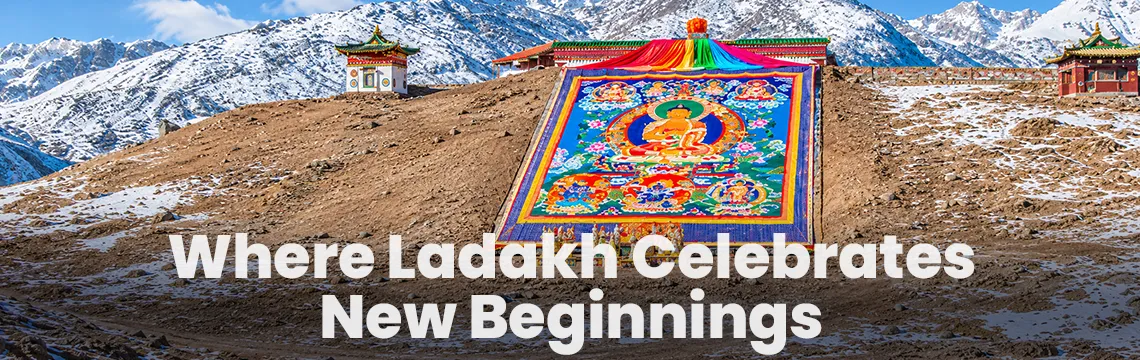
Winter changes Ladakh completely. Roads become quieter, mountains turn white, and daily life settles into a slower rhythm. Then comes Losar, bringing prayer, food, music and family gatherings into the stillness.
The Losar Festival marks the traditional Ladakhi New Year. Its date follows the Tibetan lunar calendar, so the timing can change from year to year. Preparations often begin several days before the main celebration, while religious and community observances may continue beyond New Year’s Day.
For travellers hoping to celebrate Tibetan culture in a living, community setting, Losar offers something far more meaningful than a staged cultural performance. Homes are prepared for a fresh beginning, monasteries hold prayers, families gather over festive dishes, and neighbourhoods exchange greetings for the year ahead.
What Is the Losar Festival?
The word “Losar” broadly translates as “new year”. In Ladakh, the festival carries religious, social and seasonal significance. It is a time to leave behind the difficulties of the old year and welcome peace, health and prosperity.
Although Losar is associated with Tibetan Buddhist traditions, the Ladakhi celebration has developed its own regional character. Customs may differ between Leh, Kargil, Zanskar and individual villages. That variation is part of the experience. Losar does not unfold as one large public event in a single venue; much of its meaning lies in homes, monasteries and small community gatherings.
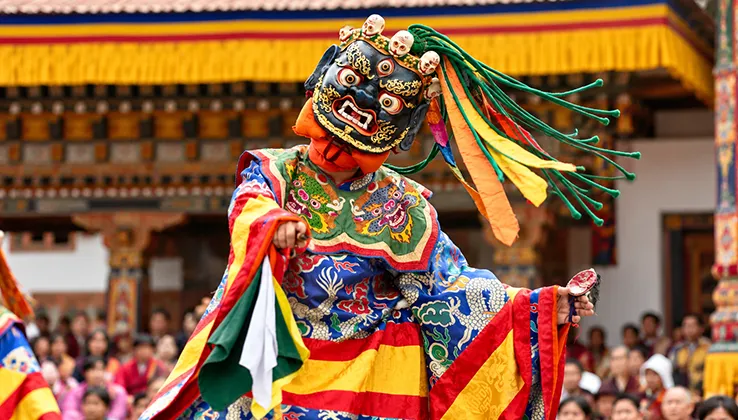
The festival usually includes prayers, ritual offerings, traditional songs and dances, special meals, visits between relatives, and the exchange of good wishes. At some locations, visitors may also encounter ceremonial performances or cultural programmes.
Why Losar Matters in Ladakh
Losar is not simply a winter festival added to a tourism calendar. It is an expression of Ladakh’s cultural identity. The days leading up to the celebration are associated with renewal. Families clean their homes, settle unfinished household tasks and prepare traditional food. Religious offerings may be arranged, and prayers are made for well-being in the coming year.
Losar also helps pass customs from one generation to the next. Children see traditional clothing being worn, learn greetings and songs, and take part in family rituals that might otherwise feel distant from everyday life. Music, dance, food and craft are not presented as exhibits; they remain part of ordinary community memory.
For a visitor, that distinction matters. The most memorable Losar moments are often quiet ones: butter lamps glowing in a dim prayer hall, the sound of long horns travelling through cold air, or several generations sharing food around a warm kitchen.
How the Losar Festival Is Celebrated
Cleaning Homes and Welcoming a New Beginning
Preparations generally start before New Year’s Day. Homes are cleaned and decorated, kitchens become busy, and families prepare offerings and festive dishes. The cleaning has a practical purpose, but it also symbolises the removal of the previous year’s troubles. Decorations and practices vary between households. Visitors are unlikely to see exactly the same celebration everywhere, even within the same district.
Prayers and Monastery Rituals
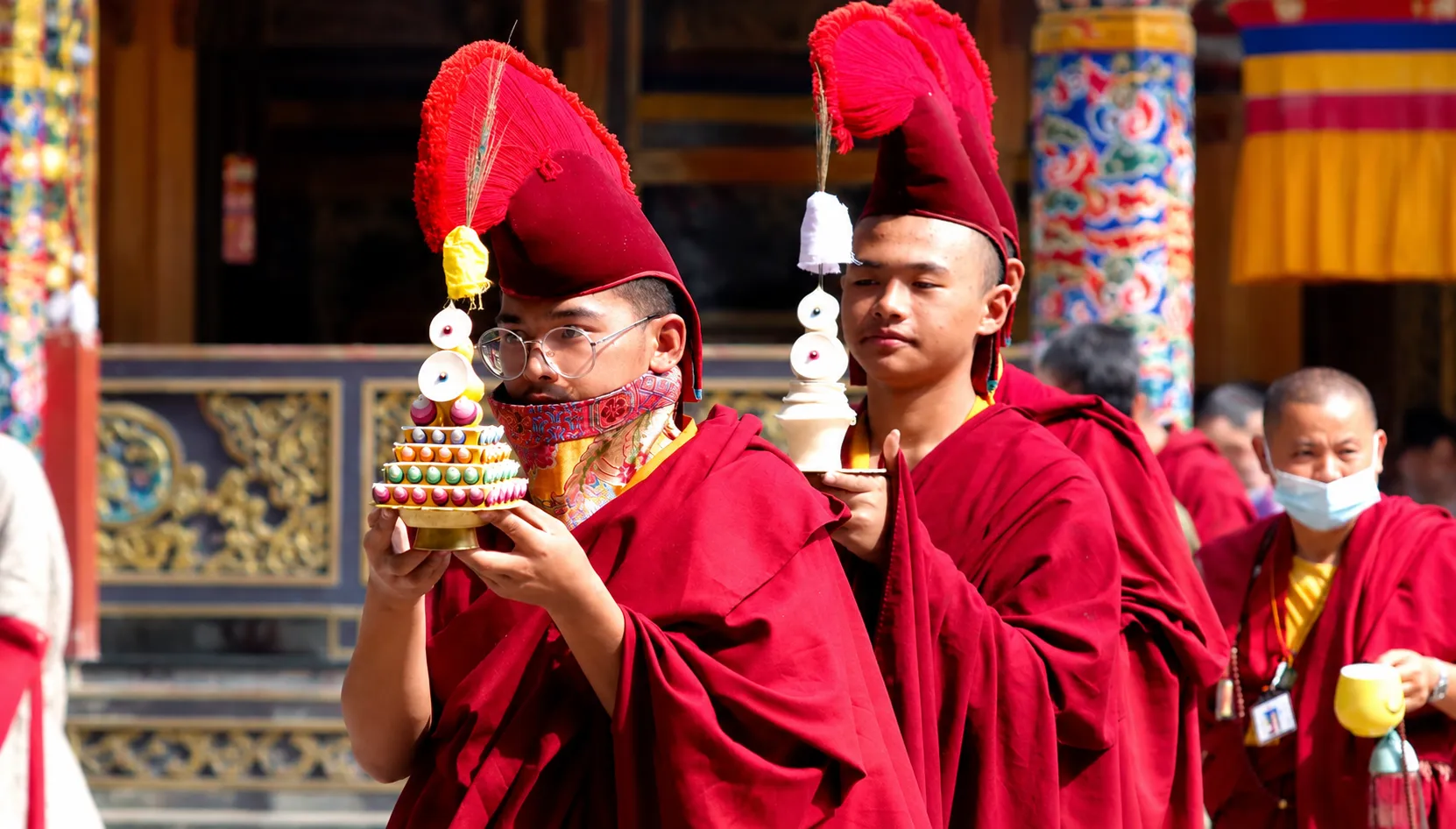
Monasteries and sacred spaces are central to Losar. People gather for prayers, make offerings and seek blessings for peace, good health and prosperity. Butter lamps, incense, chanting and ceremonial music create an atmosphere that feels particularly striking during Ladakh’s quiet winter.
Photography may be restricted during prayers or inside monastery buildings. A useful rule is to wait, observe and ask before taking out a camera. Some ceremonies are public, while others are primarily intended for the local religious community.
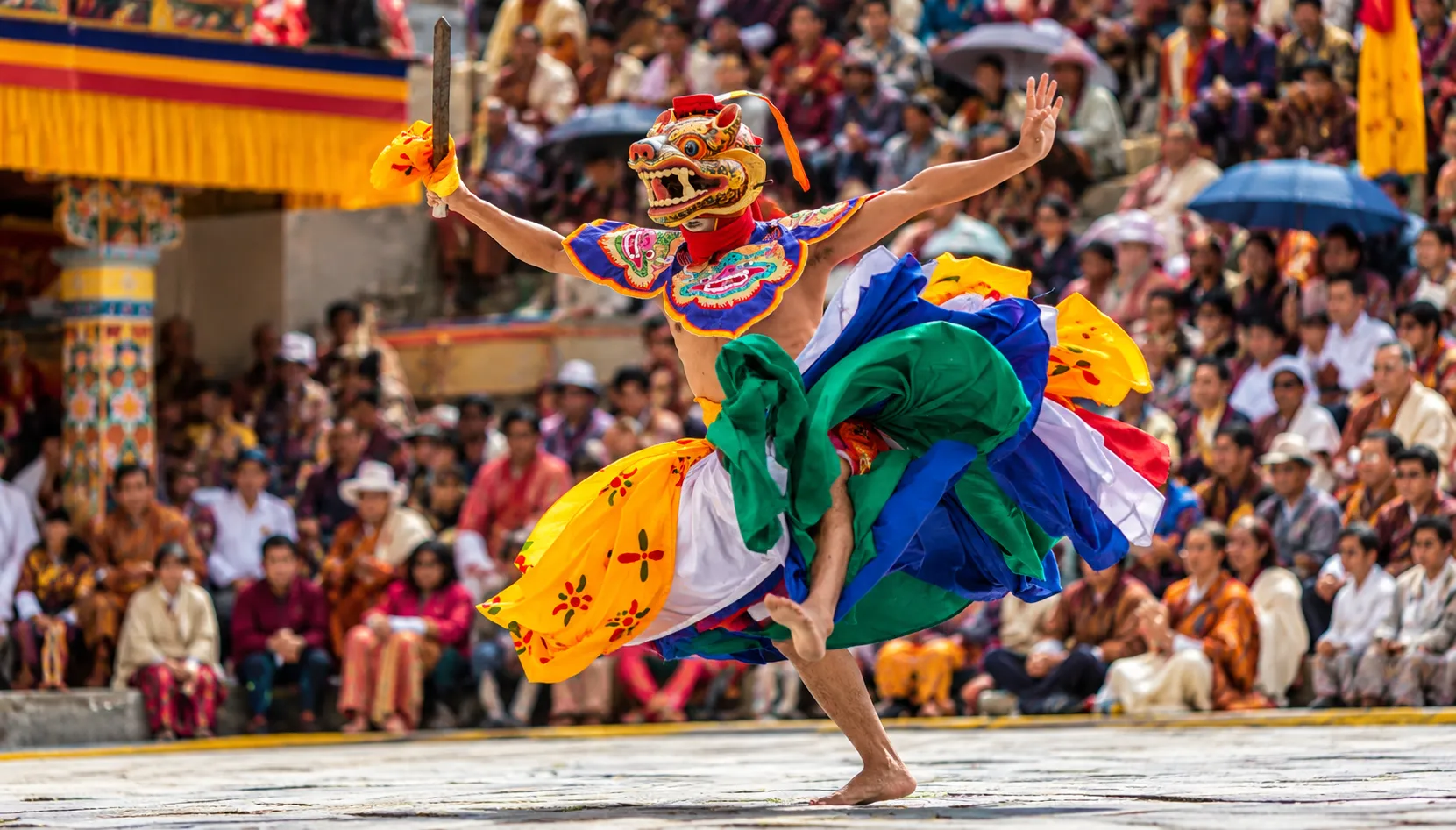
Music, Dance and Traditional Dress
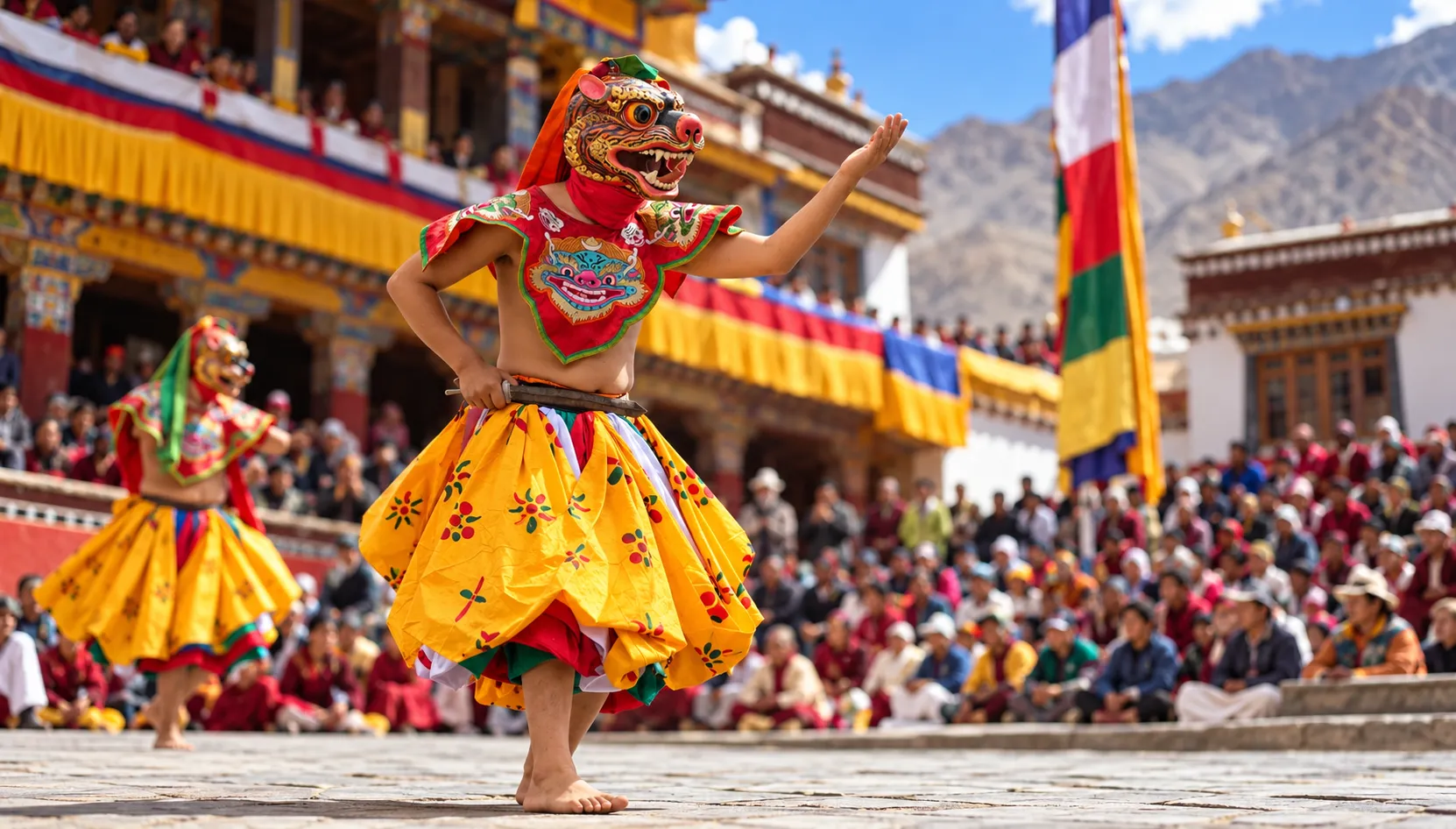
Cultural performances add colour to the celebration. Depending on the location and programme, these may include traditional songs, folk dances, ceremonial instruments and community performances.
Clothing is equally significant. Traditional Ladakhi robes, woven fabrics, jewellery and distinctive headgear reflect regional history and craftsmanship. These are not costumes placed on display for visitors. They are part of family and community heritage, and respectful observation goes a long way.
Festive Food and Family Gatherings
Food is one of the warmest ways to experience Losar. Families prepare dishes suited to the winter season, often including breads, dumplings, noodle-based meals, soups and butter tea. Specific recipes and names differ between communities and households.
Planning a Winter Journey to Ladakh
Losar falls during Ladakh’s cold season. Day and night temperatures can be severe, and snow may affect roads, local transport and opening hours. Heated accommodation, layered clothing, insulated footwear, gloves, sun protection and personal medicines deserve more attention than an overpacked sightseeing list.
Leh is at high altitude, and flying in does not give the body time to adjust gradually. The first day or two should remain light, with plenty of rest and hydration. Breathlessness at rest, severe headache, confusion, loss of coordination or worsening nausea requires prompt medical attention rather than an attempt to continue sightseeing.
Kushok Bakula Rimpochee Airport in Leh is the nearest airport for Ladakh. Some travellers also compare Srinagar flight tickets when building a broader journey through Kashmir and Ladakh. The Srinagar-Leh road is seasonal, however, and is generally not a dependable winter route around Losar. Air access to Leh is usually the more practical approach during this period.
Travellers combining Kashmir with Ladakh can explore Srinagar and https://www.akasaair.com/ according to the flight availability shown for their dates. Searching early and keeping travel dates flexible may make it easier to find affordable flight tickets, particularly around holidays.
Those ready to book affordable flight tickets should still leave enough room between separate journeys for winter disruption. Flight schedules and road conditions can change quickly in the mountains, and tightly connected bookings leave little space for delays.
Losar is colourful, but its deeper character is reflective. Prayer, renewal, family and community sit at the centre of the occasion. Travellers who arrive with patience, dress for the weather and allow local customs to set the pace are more likely to appreciate what makes the festival special.
It is a rare opportunity to see how Ladakh’s heritage continues through ordinary acts: cleaning a home, lighting a lamp, preparing food, visiting a monastery and wishing a neighbour well for the year ahead.