Reasons to Visit Dibrugarh As Soon as Possible!

Some places arrive quietly on a traveller’s radar. Dibrugarh is one of them. It is not the kind of destination that shouts for attention with a long list of tourist clichés. Instead, it slowly builds a case for itself: tea gardens that seem to go on forever, river light over the Brahmaputra, old neighbourhoods, temples, local markets, and that unmistakable feeling of being somewhere unhurried.
Set in Upper Assam, Dibrugarh is often called the Tea City of India, and the name makes sense almost immediately. Tea is not just something you drink here. It shapes the landscape, the economy, the roads, the morning air and, in some ways, the rhythm of everyday life. For travellers who prefer places with texture rather than over-designed itineraries, Dibrugarh has plenty to offer.
It also works well for people exploring the eastern and northeastern parts of India. Travellers looking at flight tickets can compare routes based on their travel dates, and a search for a Bagdogra to Dibrugarh flight may appeal to those already planning a wider East India or Northeast India journey. Once the trip is set, using web check-in and checking flight status before leaving for the airport keeps the practical part of travel from eating into the excitement.
Here is why Dibrugarh deserves to move higher on your travel list.
1. The tea gardens are not just pretty, they are the soul of the place
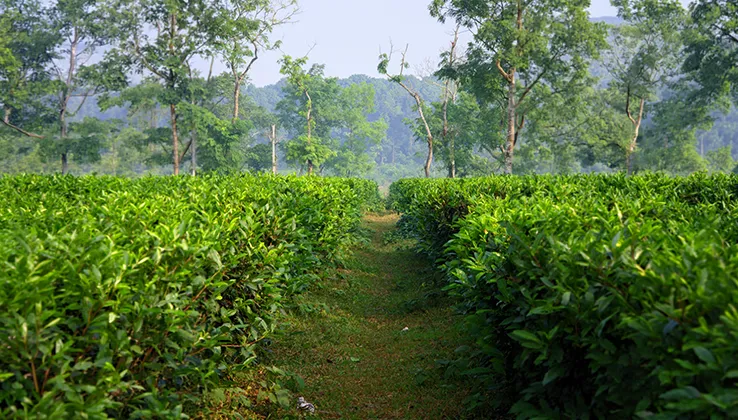
There are tea gardens in many parts of Assam, but Dibrugarh feels deeply tied to them. Even a short drive outside the town brings you into stretches of green where tea bushes run in careful lines, broken by tall shade trees and narrow paths. In the morning, when the light is soft and the air still carries a little coolness, the landscape has a calm that is hard to fake.
A tea garden experience here is not only about taking photographs, though there will be plenty of those. It is about noticing how tea moves from plant to cup. Depending on access, permissions and the kind of experience arranged through your stay or local hosts, visitors may get to walk through estate roads, understand the broad stages of tea processing, and taste Assam tea closer to where it is grown. That last bit matters. A cup of tea in Dibrugarh somehow feels less like a beverage and more like a small introduction to the region.
There is also a slower charm to the old plantation world. Some heritage bungalows and estate areas carry traces of another era, with wide verandahs, deep green surroundings and an ease that encourages you to sit down for longer than planned. It is the opposite of a rushed sightseeing stop. Dibrugarh asks you to linger.
2. The Brahmaputra gives the city its scale and mood
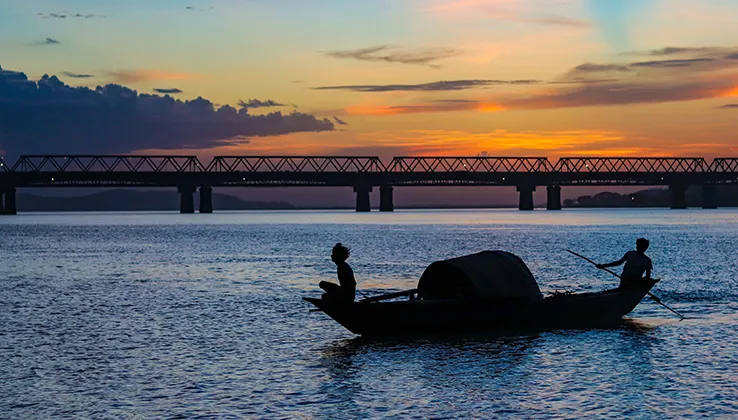
The Brahmaputra is not a background feature in Dibrugarh. It is part of the city’s personality. Wide, powerful and changing with the season, the river gives Dibrugarh a sense of openness that many urban destinations simply do not have.
Riverfront time here is best kept simple. A walk near the water, a quiet evening, a few photographs, a pause to watch the sky change colour. Sometimes that is enough. The Brahmaputra does not need a complicated plan. It has a way of making people slow down, especially at sunset when the light spreads across the water and the day loses its rough edges.
The river also helps explain why this part of Assam has always mattered. Movement, trade, culture and settlement have long been shaped by the Brahmaputra. A traveller may come to Dibrugarh for tea, but the river is what gives the wider landscape its sense of depth.
3. Bogibeel Bridge is worth seeing, even if bridges are not usually your thing
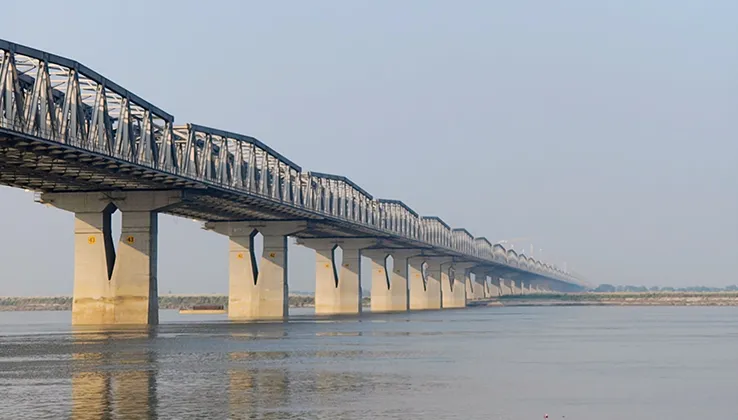
A bridge may not sound like an obvious reason to plan a trip, but Bogibeel Bridge is different. It stretches across the Brahmaputra and has become one of Dibrugarh’s most recognisable landmarks. The structure is impressive in itself, but the real pleasure is in the setting: river, sky, open views and the feeling that you are standing somewhere that connects more than two banks.
Even travellers who are not particularly interested in engineering tend to enjoy the experience. The bridge works as a viewpoint, a photo stop and a gentle drive-out plan from the city. It is especially atmospheric in the softer parts of the day, when light and river make the place feel less mechanical and more scenic.
What makes Bogibeel Bridge interesting is that it is both practical and emotional. It helps movement across the region, but it also gives locals and visitors a place to look out at the Brahmaputra and feel the scale of Assam. That combination is rare.
4. Dibrugarh is a good base for nature-rich short trips

One of the underrated things about Dibrugarh is how easily it can become a base rather than just a destination. The city sits close to landscapes that feel distinctly different from a regular urban holiday. Forest belts, riverine areas, wetlands and nearby cultural villages make it possible to shape the trip around more than tea gardens.
Nature lovers can look at nearby green zones and wildlife areas depending on season, access and local conditions. The broader region around Dibrugarh and Tinsukia is known for biodiversity, and many travellers use Dibrugarh as a starting point for journeys deeper into Upper Assam or onward towards Arunachal Pradesh. That does not mean every trip has to become an expedition. Even one extra day can add a quieter, greener layer to the itinerary.
For people used to city breaks that revolve around cafés and monuments, this is a refreshing change. Dibrugarh offers space. Space to drive through greenery, space to listen to birds, space to spend a morning without checking off a long list.
Dibrugarh is not only tea and river views. It has spiritual and cultural places that give the city a softer, more local character. Temples such as Jagannath Temple and other places of worship around the district are part of everyday life, not just tourist stops. Visiting them quietly, especially outside the busiest hours, can be a grounding experience.
The region also carries traces of Assam’s deeper cultural history through old sites, local communities and traditional practices. Some travellers may choose to visit nearby Buddhist villages or heritage locations, depending on the route and time available. These stops are not always glossy in the way big-city attractions can be, but that is often what makes them memorable. They feel lived in. There is a different kind of satisfaction in discovering a place through small cultural moments: a local sweet shop, a temple bell, a market conversation, a handwoven textile, a cup of tea served without ceremony. Dibrugarh is full of these little details. Perhaps the biggest reason to visit Dibrugarh soon is that it still feels personal. It has enough to do, but not so much noise around it that every experience feels pre-decided. You can shape the trip around tea, river views, culture, food, nearby nature or a bit of everything.
It is also the kind of place that teaches you to travel differently. Not every beautiful destination needs a famous viewpoint every hour. Sometimes the best moments are much smaller: morning mist over tea gardens, a road lined with trees, a strong cup of Assam tea, the Brahmaputra at dusk, a bridge glowing in the distance, a quiet temple courtyard.
Dibrugarh may not be the first place everyone thinks of for a holiday. That is exactly why it may be worth going now.