Reasons to Visit Kaziranga National Park if You Love Wildlife
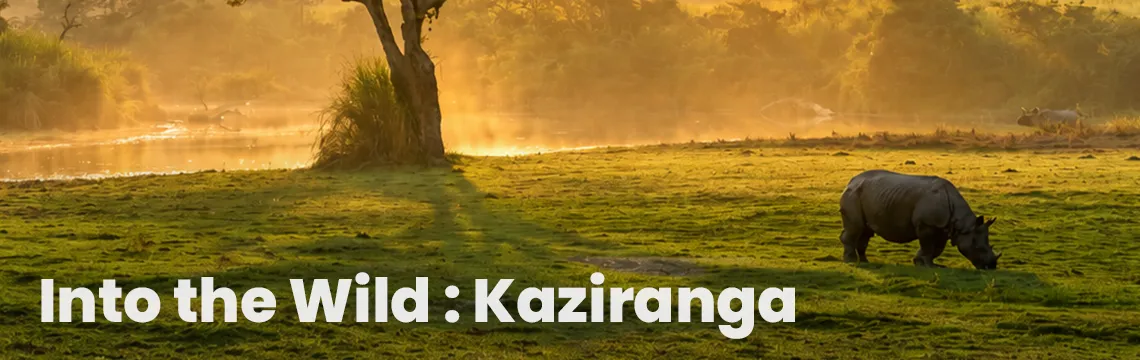
Some wildlife trips begin with a checklist. Kaziranga does not quite work that way. The park has famous animals, of course, and the great Indian one-horned rhinoceros is usually the first reason people start thinking about Assam. But the real pull of Kaziranga is slower and wider than one sighting. It is in the tall elephant grass, the shallow wetlands, the soft mist over the beels, the sudden movement of deer, and the quiet thrill of not knowing what may appear next.
For travellers who love wildlife, Kaziranga National Park feels different from many other forest holidays in India. The landscape is open enough to offer dramatic views, yet dense enough to keep the wildness intact. A jeep safari can move past grasslands, marshes, woodland patches and water bodies within the same outing. That mix gives the park its character.
Reaching Kaziranga usually begins with Guwahati, which is the major air gateway for many visitors heading into Assam. Travellers often start by comparing flight tickets based on their city, dates and onward road plan. Someone travelling from Karnataka may look for a Bengaluru to Guwahati flight, while a traveller from Maharashtra may search for a Mumbai to Guwahati flight. Once the arrival time is clear, the rest of the journey towards Kaziranga becomes easier to shape.
Here are some strong reasons why Kaziranga deserves a place on a wildlife lover’s travel list.
1. The One-Horned Rhinoceros Is Not Just a Sighting Here
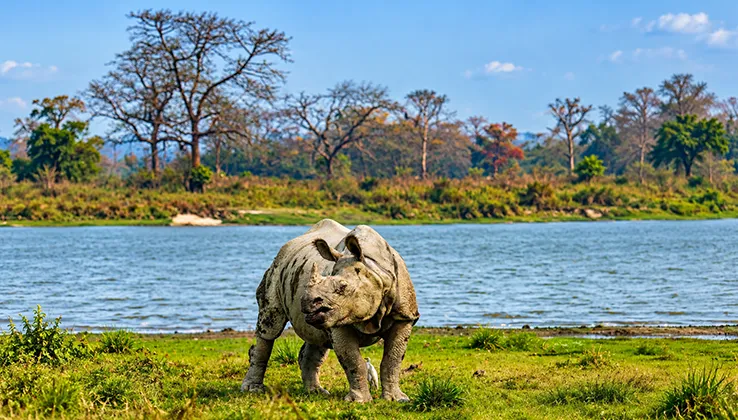
Kaziranga is closely associated with the great Indian one-horned rhinoceros, and for good reason. Seeing a rhino in this landscape feels very different from seeing one in a photograph or documentary. The animal seems almost prehistoric, heavy and calm, moving through grass that sometimes rises high enough to hide most of its body.
What makes Kaziranga special is not only the possibility of a sighting, but the setting around it. A rhino may appear near a wetland, beside a patch of tall grass, or across an open stretch where the morning light catches the folds of its armour-like skin. Sometimes the safari vehicle stops, everyone goes quiet, and the animal continues grazing as though the rest of the world is irrelevant. For wildlife lovers, that kind of observation is deeply satisfying. It is not a staged moment. It is simply the animal in its own place.
2. Birdwatchers Have Plenty to Keep Them Busy
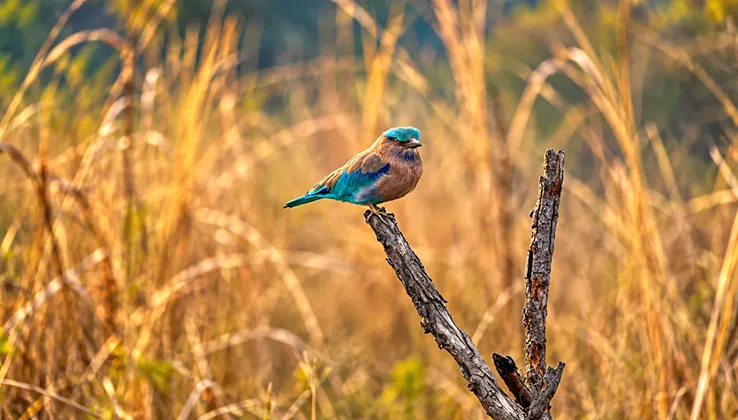
Kaziranga is not only for mammal enthusiasts. Birdwatchers can find the park wonderfully rewarding, especially around wetlands, water bodies and open grassland edges. The Eastern Range is often spoken about with particular affection by birding travellers, though every range has its own rhythm.
Even casual visitors begin noticing birds after a while. Storks, eagles, water birds, kingfishers, rollers and other species add constant movement to the scene. A safari that begins with the hope of seeing rhinos may turn into an hour of watching birds rise from a wetland or settle along the water.
For serious birders, binoculars are worth carrying. For everyone else, even simple attention helps. Kaziranga is alive at many levels, and birds make that life visible in quick flashes.
3. The Safari Zones Offer Different Moods
Kaziranga is usually explored through different ranges, and each range can feel slightly different. Some areas are known for grassland views, some for wetlands, some for birdlife, and some for a stronger sense of woodland and terrain variation.
This is why two safaris rarely feel identical. A traveller who only does one drive may enjoy the trip, but someone who spends two or three days in the area usually gets a better sense of the park’s personality. Morning and afternoon safaris also feel different. Morning has mist, softer light and freshness. Afternoon can bring warmer colours and more open visibility.
Wildlife travel rewards repetition. Doing more than one safari increases the chance of varied sightings, but more importantly, it helps the visitor stop rushing. By the second drive, most people begin looking beyond the obvious.
4. It Is Home to More Than Rhinos
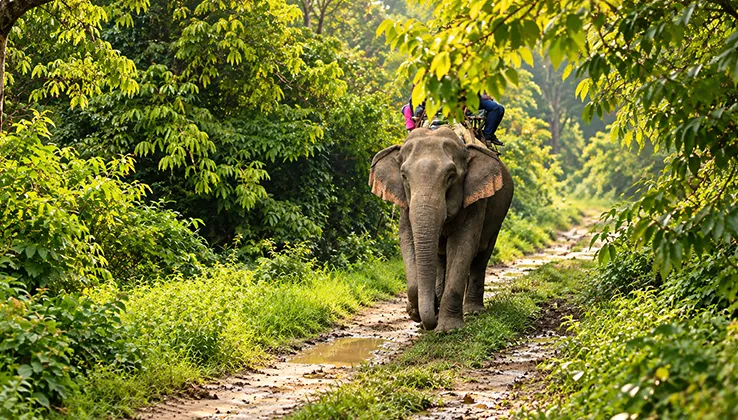
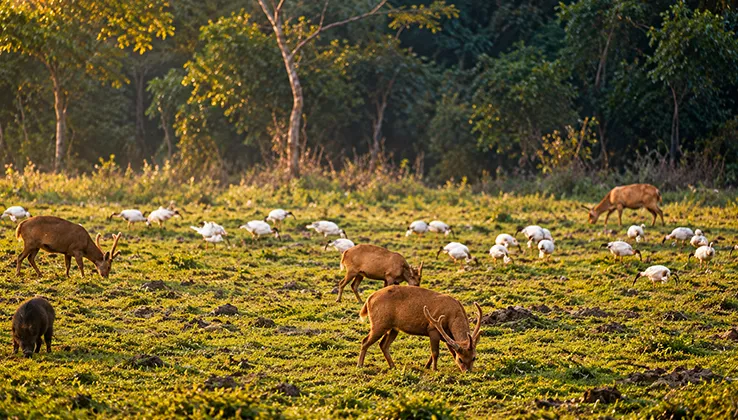
The one-horned rhino may be the headline, but Kaziranga’s wildlife story is much richer. The park is also known for Asian elephants, wild water buffaloes, swamp deer, wild boar, hog deer and several other mammals. Tigers live here too, though sightings depend on luck, patience and the behaviour of the animals on that particular day.
That uncertainty is part of the point. A wildlife trip should not feel like ordering from a menu. Some safaris are full of activity, while others are quieter. One drive may offer a close rhino sighting, another may surprise travellers with elephants crossing at a distance, and another may be remembered for birds, silence and light. Kaziranga teaches a useful wildlife lesson: the big sighting matters, but the whole ecosystem matters more. The smaller details often stay longer in memory.
Best Time to Visit Kaziranga
Kaziranga is generally visited in the dry season when safaris operate, with the main travel months usually falling between late autumn and spring. Winter and early spring tend to be especially popular because the weather is more comfortable and the landscape is easier to explore.
The monsoon shapes Kaziranga deeply, and that is part of the park’s ecology. Heavy rain and flooding can affect access and safari operations, so travellers usually plan wildlife holidays outside the peak monsoon closure period. Exact opening dates and safari access can change depending on conditions and park notifications, so the safari plan should stay flexible until the trip is close.
For photographers, misty winter mornings can be beautiful. For families, the cooler months are often more comfortable. For serious wildlife lovers, multiple safaris over two or three days usually matter more than chasing one “perfect” date.
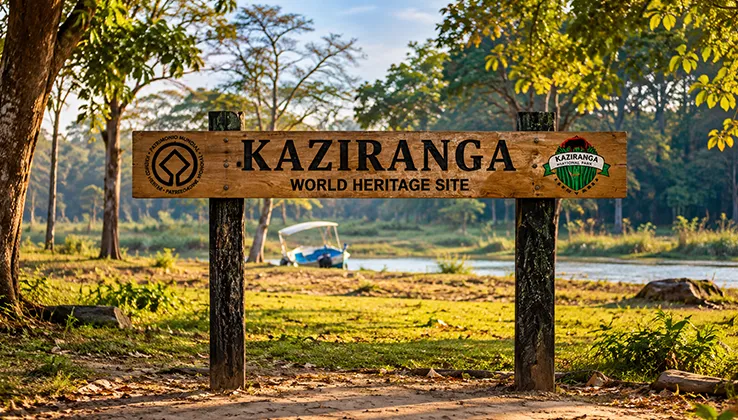
Kaziranga is not just scenic. It is also one of India’s most important conservation landscapes. The park’s identity is tied to protection, habitat, anti-poaching efforts and the survival of species that depend on grasslands and wetlands.
For a traveller, this adds depth to the visit. A rhino sighting becomes more than a photograph. A herd of wild buffaloes or a swamp deer in the distance becomes part of a larger story about land, rivers, people, protection and coexistence.
Wildlife tourism is at its best when it builds respect. Kaziranga has that effect. It reminds visitors that animals need space, that landscapes matter, and that a national park is not only a holiday setting, but a living system.