When is the Best Time to Visit Manali?
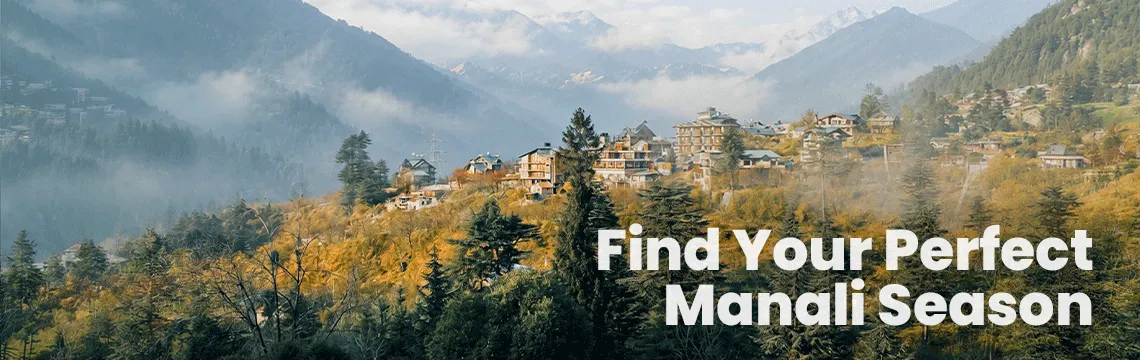
Manali does not have one perfect season. It has several, and each changes the town so completely that two visits can feel like holidays in different places.
From March to June, the valley is bright, busy and easy to explore. Winter brings snow, cold mornings and the quiet drama of white mountains. The monsoon turns the landscape intensely green, although road travel can become less predictable. Autumn, meanwhile, is often overlooked despite its clear skies and calmer atmosphere.
So, when is the best time to visit Manali? For comfortable sightseeing, April to June usually works well. December to February suits travellers hoping to see snow, while September to November is lovely for clearer views and fewer crowds. The right answer depends less on a single month and more on what you want the holiday to feel like.
March to June: The Most Comfortable Time for Sightseeing
For many travellers, March to June is the best time to visit Manali. The days become progressively warmer, while mornings and evenings retain the chill that makes a hill holiday feel like a proper escape. March and April have a softer mood. Snow may still be visible on the higher slopes, but the valley begins to wake up after winter. Trees regain their colour, flowers appear, and walking around Old Manali or the quieter stretches near the Beas River feels comfortable.
May and June are more energetic. Families arrive during school holidays, cafés and markets become busier, and most conventional sightseeing plans are easier to manage. Hadimba Devi Temple, Vashisht, Naggar and Solang Valley can all fit into a well-paced itinerary.
The trade-off is the crowd. Traffic tends to move slowly around popular areas, particularly on weekends and holiday dates. Hotel availability can tighten too. Travellers who prefer quieter streets may find late March, April or the first half of June more appealing than the busiest summer weeks.
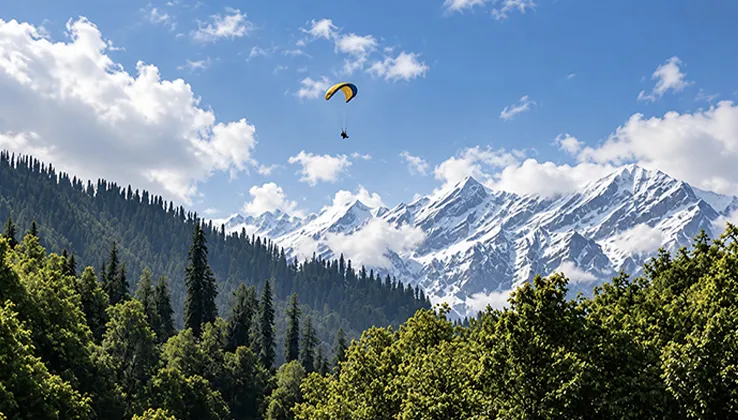
Things to Do in Manali During Spring and Summer
Start with Hadimba Devi Temple, set among tall deodar trees a short distance from central Manali. The forested setting is part of the experience, and an early visit usually feels calmer than arriving in the middle of the day. Nearby lanes offer an unhurried introduction to the older side of town. Vashisht is known for its temple complex, traditional houses and views across the valley. The lanes are narrow and can become crowded, but they are interesting to explore on foot. A little farther away, Naggar offers old architecture, mountain scenery and a slower pace. It works particularly well as a half-day excursion rather than a hurried photo stop.
Solang Valley is one of the region’s most popular outdoor areas. Activities vary with the season and local conditions, so a summer visit feels quite different from a winter one. Even without an activity-heavy plan, the broad valley and surrounding peaks make the journey worthwhile. Rohtang Pass is often high on a visitor’s list, although access depends on weather, road conditions, seasonal opening dates and local permit requirements. The Atal Tunnel has also changed how people explore areas beyond Manali, including parts of the Lahaul Valley. A long mountain drive still requires spare time in the itinerary. Delays are not unusual, and rushing back for an evening engagement rarely makes for a relaxing day.
July to September: Green Landscapes and Uncertain Roads
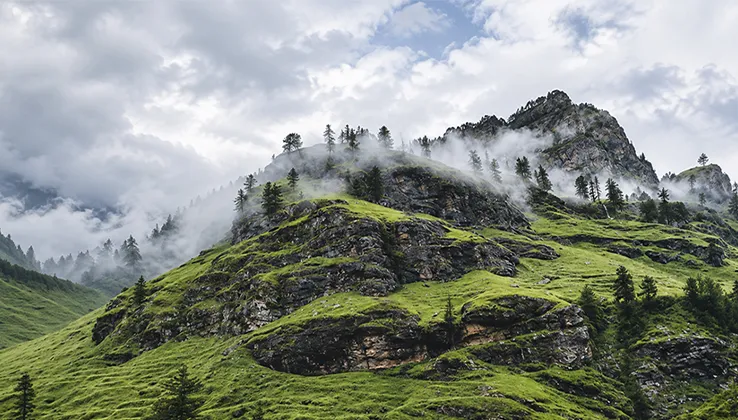
The monsoon is the most complicated of the seasons in Manali. The valley becomes greener, mist settles over the hills, and there are fewer people in many tourist areas. Accommodation may also be easier to find outside busy weekends. Yet travel comes with a real degree of uncertainty. Rain can cause landslides, falling stones, poor visibility and temporary road disruptions across mountainous parts of Himachal Pradesh. A road that looked fine in the morning may move slowly later in the day.
This season suits travellers who are comfortable keeping plans flexible. Long drives, packed sightseeing lists and tightly timed onward journeys can turn stressful. Short walks, café visits, local markets and restful days at the accommodation often make more sense. September can provide a pleasant transition as the heavier rains begin to ease, though conditions vary. Anyone deciding when to visit Manali primarily for trekking or extensive road travel may feel more comfortable in the drier months.
October to November: Clear Views and a Quieter Rhythm
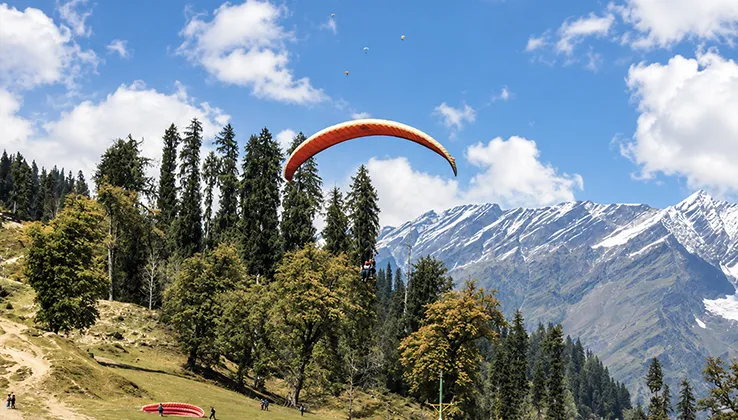
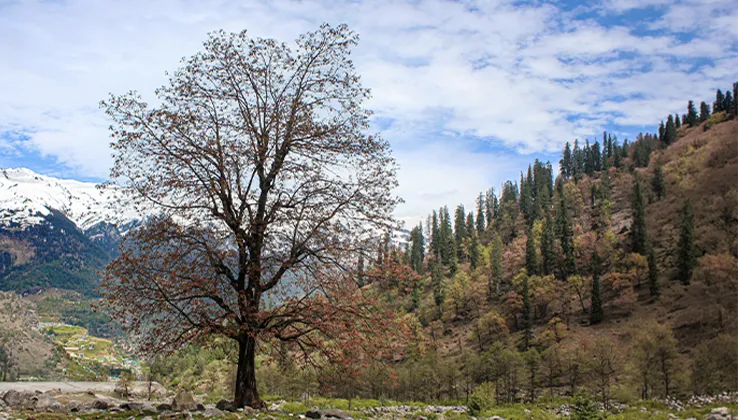
Autumn is one of the best seasons to visit Manali for travellers who value space and clear mountain views. The main summer rush has passed, the monsoon haze has generally lifted, and the air becomes noticeably crisper. October days can be comfortable for local sightseeing, village walks and photography. Evenings cool down quickly, especially outside the main town. By November, winter begins to announce itself. Trees lose some of their colour, nights become much colder and occasional snowfall may occur at higher elevations.
This is a good period for visiting Naggar, walking through Old Manali and spending time around quieter riverside areas. The scenery can look sharp and beautifully defined after the rains. There is also less pressure to fit every attraction into an early start, which gives the holiday a less mechanical pace.
December to February: The Best Time for Snow
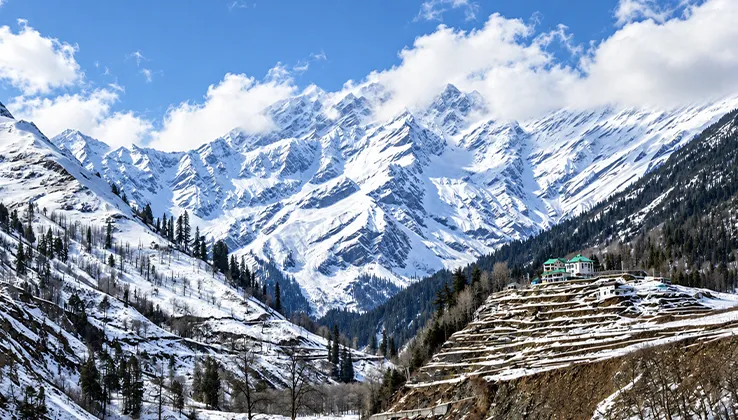
Winter reshapes Manali. Snow can soften rooftops, forests and roads, while the valley settles into a colder, more dramatic mood. For travellers dreaming of a white mountain holiday, December to February is often the best time to visit Manali. Snowfall is never guaranteed for a particular date or location. Manali town may receive snow while surrounding areas have deeper cover, or the reverse may happen after changing weather patterns. Solang Valley and higher areas generally offer better chances of finding snow during the winter period.
The practical side of winter deserves attention. Roads can become icy, journeys may take longer, and heavy snowfall can temporarily disrupt movement. Warm layers, waterproof shoes, gloves and thick socks matter more than an overloaded sightseeing schedule. Christmas and New Year dates can be busy and expensive. January and February may feel calmer after the holiday rush, although they can also bring colder conditions. Winter works best when there is enough flexibility to enjoy the weather rather than treating snowfall as a box that must be ticked.
How to Reach Manali by Air
Manali does not have a large commercial airport within the town. Chandigarh is a commonly used gateway, followed by an onward road journey through the hills. The drive is long and winding, so many travellers keep a generous gap between landing and their planned arrival in Manali.
Travellers can review flight tickets and current availability for their selected dates. Those comparing Chandigarh flight tickets may notice higher demand around school holidays, long weekends, Christmas and New Year.
A little date flexibility can help when searching for affordable flight tickets. Midweek departures, travelling outside major holiday periods and checking nearby dates sometimes reveal more suitable options. Travellers ready to book flight tickets to Chandigarh can use the online flight search to view available connections and timings.
The onward road journey is part of the holiday, but it can be tiring after a flight. An early arrival in Chandigarh may allow more daylight for the drive. Some travellers prefer an overnight break before continuing, especially when travelling with children or older family members.
For a first visit, April to June offers the easiest balance of pleasant weather and accessible sightseeing. October is another strong choice, particularly for travellers who dislike peak-season crowds.
For snow, January and February usually offer stronger possibilities, though weather remains unpredictable. For greenery and quiet, the late monsoon or early autumn period can be rewarding, provided the itinerary allows for road delays.